SEO for AI Search Engines: The Future of Search Optimization
Search Engine Optimization continues to change at an incredibly fast rate; we used to focus on what would help our websites appear higher in the search engine results pages ('SERPs') of sites like Google and Bing. However, with the introduction of AI-powered searching capabilities and 'AI helpers', how we access information on the Internet has greatly changed. Instead of having to visit multiple different websites until they found the answer they were looking for via these various methods of getting information, users are now utilizing AI technology as a means to retrieve direct answers to their questions.
This shift has introduced a new concept called SEO for AI Search Engines. SEO for AI search engines is nothing but a way by which you optimize your website and content for the AI platforms, helping them to understand, trust and recommend your content to users. This is not about eliminating the conventional ways of SEO. Instead, it is about adapting your strategy for the future of search.
What Are AI Search Engines?
AI-powered search engines offer responses directly (rather than a list of websites to choose from), understand user intent, digitize/organize information and provide conversational responses.
Some popular AI-powered search experiences include:
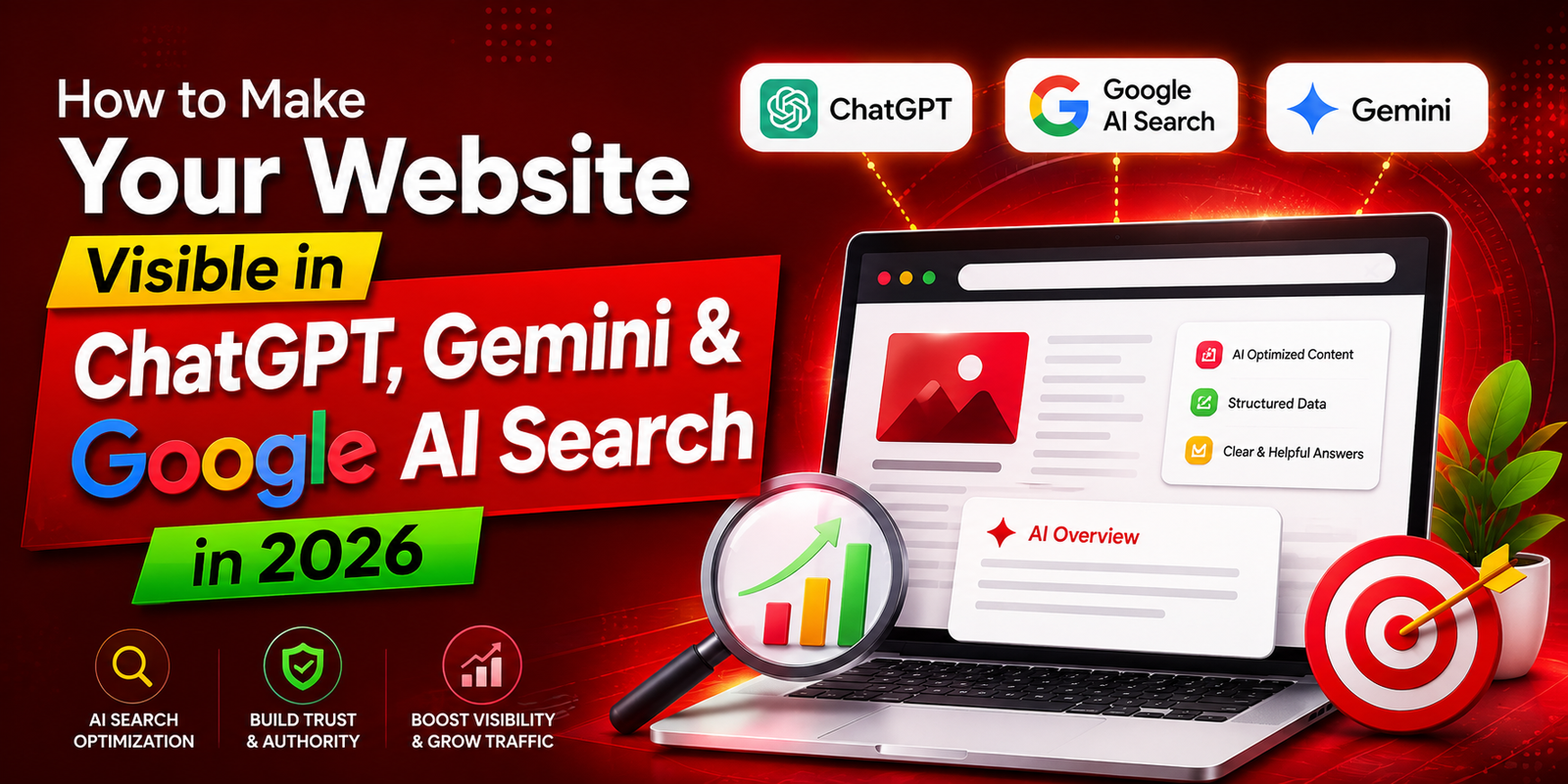
Google AI Overviews
ChatGPT Search
Perplexity AI
Microsoft Copilot
Gemini AI
Claude AI
Unlike regular search engines, AI tools frequently compile information from a number of websites in their responses. This way, your page can become a valuable source without being visited by the user.
This explains the reason for optimizing the content both for rankings and for AI comprehension.
Why SEO for AI Search Engines Matters
The way users search online is changing rapidly. Instead of typing short keywords like “best SEO tips,” people now ask conversational questions such as:
“How can I improve my website ranking in 2026?”
“What is the best SEO strategy for small businesses?”
“How does AI affect Google search rankings?”
AI search engines are designed to answer these natural-language questions.
If your content is clear, trustworthy and helpful, AI systems are more likely to reference it in their responses. This would help you grow in terms of brand visibility and traffic. Firms failing to pay attention to AI-SEO practices may be at risk in terms of future search results.
How AI Search Engines Read Content
AI search systems analyze websites differently compared to traditional ranking methods.
They focus mostly on:
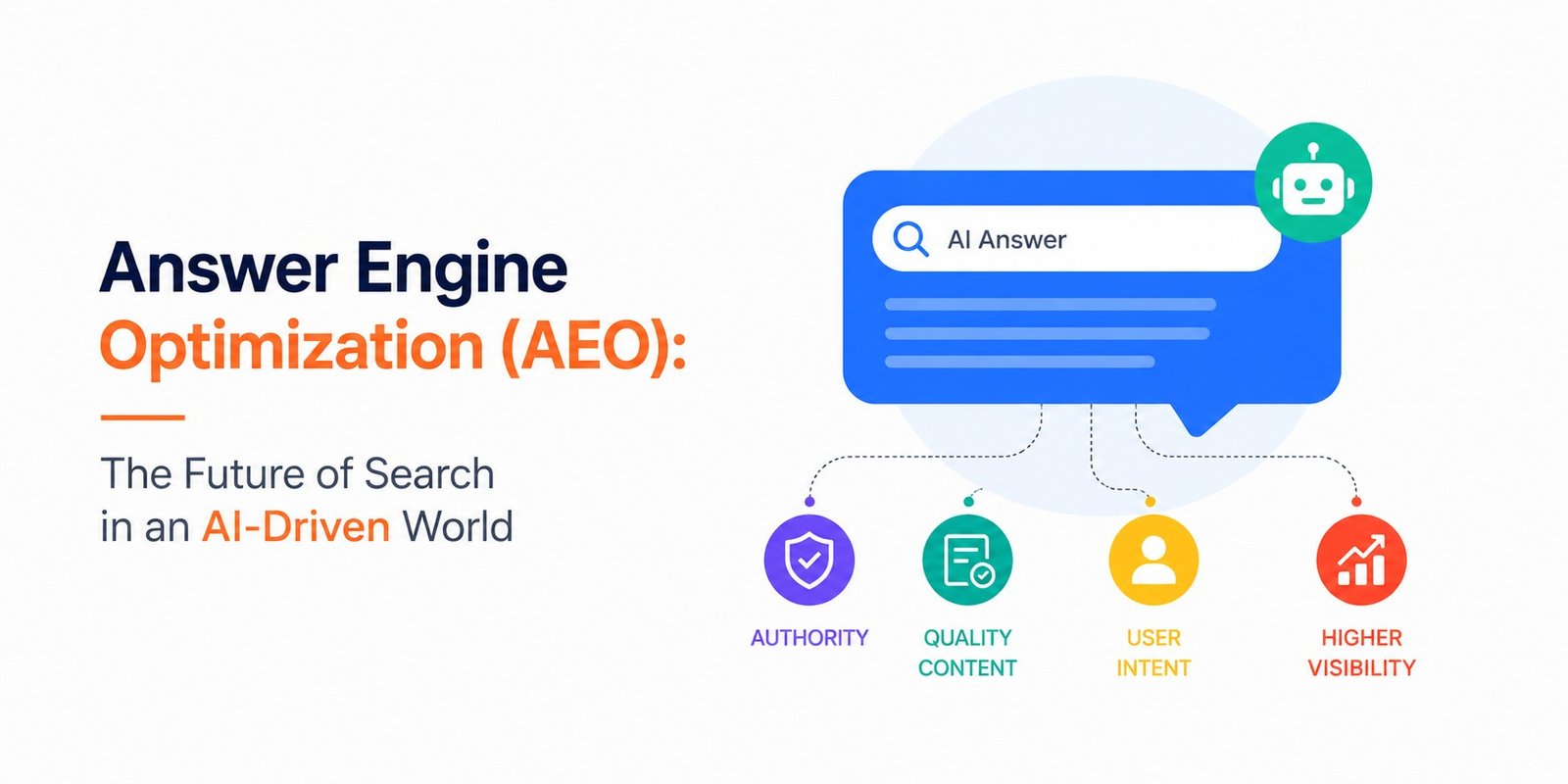
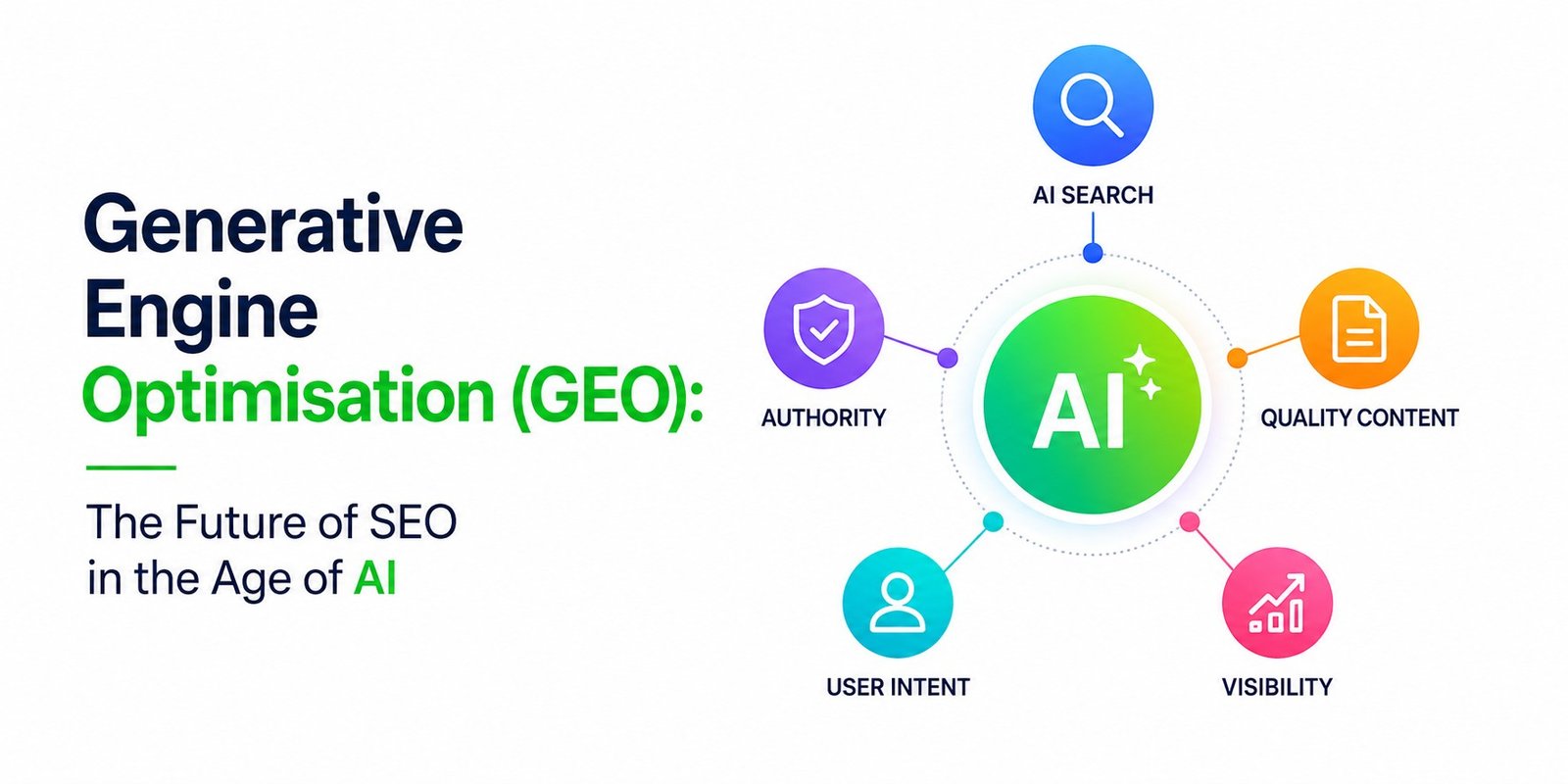
Content Clarity
AI prefers content that is easy to understand. Simple language, proper formatting and direct explanations help AI tools process your information better.
Authority and Trust
AI platforms prioritize reliable sources. Websites with strong expertise, authentic information and trustworthy signals perform better.
User Intent
AI attempts to understand the exact meaning behind a search query. Content that answers real user questions clearly has a better chance of being referenced.
Structured Information
Clear headings, bullet points, FAQs and schema markup allow for easier analysis of the content by the AI system.
Best SEO Strategies for AI Search Engines
1. Write for Humans First
Many websites still create content only for keywords. That approach is becoming outdated.
AI search engines reward content that genuinely helps users. Instead of stuffing keywords everywhere, focus on writing naturally and solving real problems.
Good content should:
Answer questions clearly
Provide practical information
Use conversational language
Avoid unnecessary complexity
Human-focused writing also improves user engagement, which strengthens SEO performance overall.
2. Focus on Topical Authority
AI tools prefer websites that consistently publish quality content around a specific topic.
For example, if your website regularly covers:
Technical SEO
Keyword research
Link building
Local SEO
AI SEO trends
Then AI systems may recognize your website as an authority in digital marketing.
The posting of unrelated information makes the relevance of your topic less relevant.
Building authority takes time but it improves long-term visibility across both traditional and
AI search platforms.
3. Use Question-Based Content
Modern users search using complete questions, especially when interacting with AI tools.
That is why question-based headings work extremely well.
Examples:
What is AI SEO?
How do AI search engines work?
Is traditional SEO still important?
How can businesses optimize for AI search?
These formats relate naturally with conversational AI queries.
Including FAQ sections also improves your chances of appearing in AI-generated answers.
4. Improve Content Structure
AI search engines prefer well-structured content because it is easier to analyze and summarize.
Use:
Proper headings (H1, H2, H3)
Short paragraphs
Bullet points
Tables when needed
Clear topic segmentation
Difficult content is harder for both users and AI systems to understand.
Readable formatting improves engagement and content comprehension.
5. Build Strong EEAT Signals
Google strongly emphasizes EEAT:
Experience
Expertise
Authoritativeness
Trustworthiness
AI search engines also rely heavily on these quality signals.
You can improve EEAT by:
Publishing accurate information
Updating old content regularly
Showing author expertise
Including real examples
Earning quality backlinks
Maintaining a secure website
Trust is becoming one of the most important ranking factors in AI-driven search.
6. Optimize for Semantic Search
Traditional SEO focused mostly on exact-match keywords. AI search engines understand
context much better.
Instead of repeating one keyword excessively, include related terms naturally.
For example, a blog about AI SEO may also include:
AI search optimization
conversational search
machine learning search
semantic SEO
AI-generated answers
This helps AI systems to fully understand about your topic.
7. Create Original Content
AI tools value unique insights more than copied or generic articles.
Content that includes:
Real experiences
Case studies
Expert opinions
Original research
Industry examples
has a better chance of standing out.
Low quality or heavily AI-generated content without originality sometimes performs poorly.
Authenticity should come first.
8. Optimize Technical SEO
Technical SEO is very important even in the AI era.
Your website should:
Load quickly
Be mobile-friendly
Use HTTPS security
Have clean site architecture
Include proper schema markup
Be easy to crawl
AI systems still depend on search engine indexing and structured website data.
Poor technical SEO can limit content visibility.
9. Update Content Frequently
AI search engines prefer fresh and updated information. Outdated content may lose visibility, especially in fast-changing industries like digital marketing and technology.
Regularly update:
Statistics
Trends
Tools
SEO practices
Examples
Refreshing older blogs can improve rankings without creating entirely new articles.
The Role of AI Content in SEO
Currently, many companies use AI writing software to generate content. While AI has been
proven to improve productivity but AI does not have the ability to create creative content
and provide real inspiration from writing through this technology.
The best approach is combining AI assistance with human expertise.
AI can help with:
Research
Content outlines
Idea generation
Grammar improvement
But human editing is essential for:
Accuracy
Creativity
Brand voice
Emotional connection
Real-world insights
The importance of useful and unique content is increasing over time because search engines are recognizing it. Will Traditional SEO Disappear? No. Traditional SEO is still important.
Core SEO principles such as:
Quality content
Keyword research
Backlinks
Technical optimization
User experience
remain valuable.
However, AI search optimization adds another layer to SEO strategy.
Businesses now need to optimize for:
Search rankings
AI-generated answers
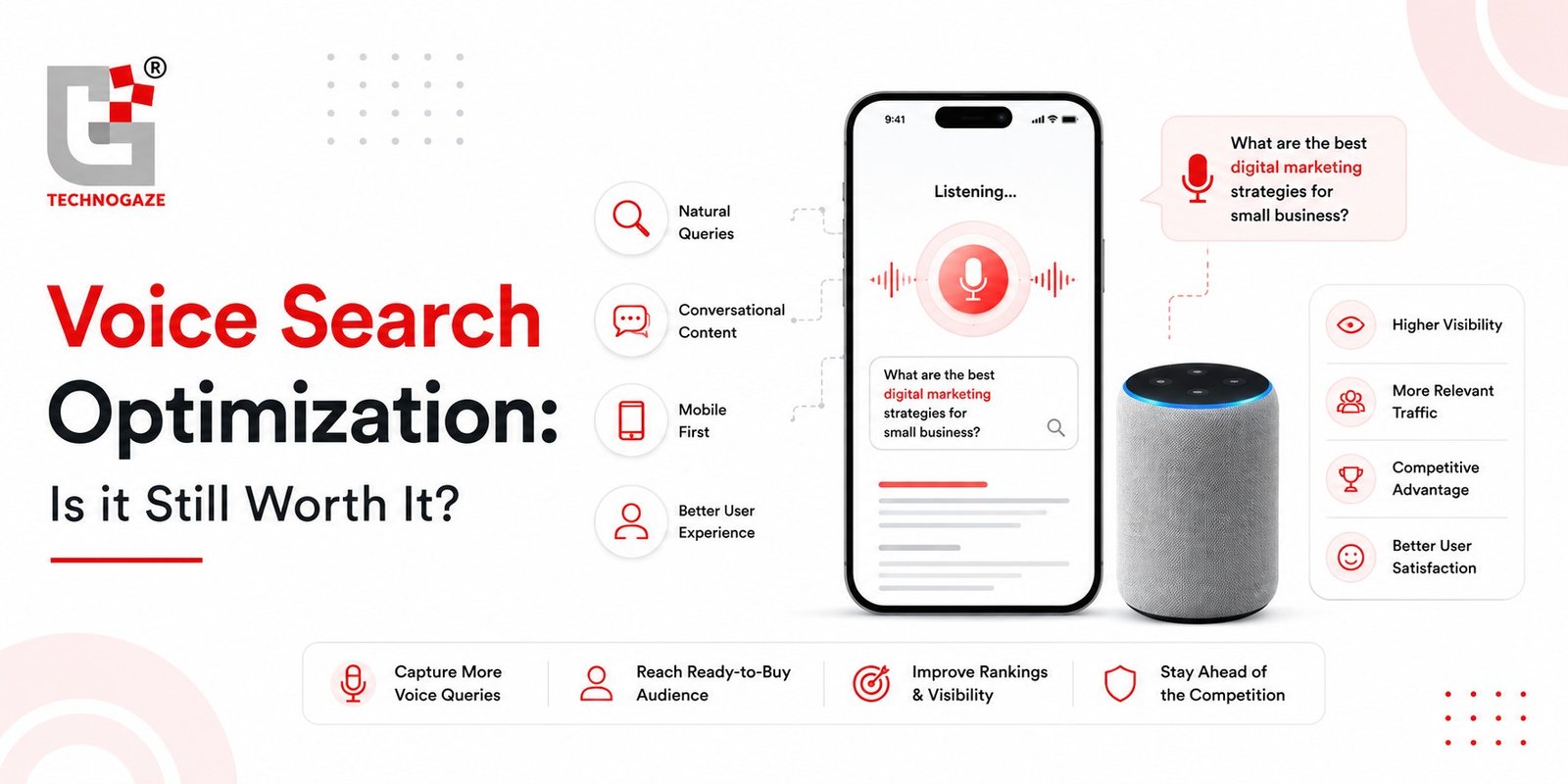
Conversational queries
Semantic understanding
Brand authority
The future belongs to websites that combine traditional SEO with AI-focused optimization.
Final Thoughts
The SEO strategy for AI search engines isn't simply a trend. It represents the next evolution of digital search.
With the development of AI technologies for discovering new ways to search for information, businesses will be forced to modify their SEO (search engine optimization) practices to keep pace with these updates. Web sites, which have good content, trust, intent and communication, will have greater chances to produce business than web sites which lack these attributes.
It's not only about ranking high on the search engines anymore; it's now about being the trusted site that the AI systems cite and refer. In the coming years, businesses that understand AI SEO early will experience increased online presence and organic growth with greater strength.
Author Bio:
Sadhana Patidar is a Senior SEO Executive at Technogaze Solutions with more than five years of experience in technical, on-page, off-page, and local campaigns. She holds expertise in optimizing websites to increase visibility, correcting any technical problems, and driving organic traffic through data-informed methodologies. Sadhana is passionate about realistic SEO strategies that produce ongoing results, after combining data elements with practical tactics of optimization. Her expertise includes detailed audits, optimizing content, blog writing, and website content writing, developing link-building campaigns that boost online presence. Passionate about learning and development, Sadhana actively looks for current search engine optimization trends to ensure each engagement is reflective of the best search engine optimizations and competes well across digital platforms.