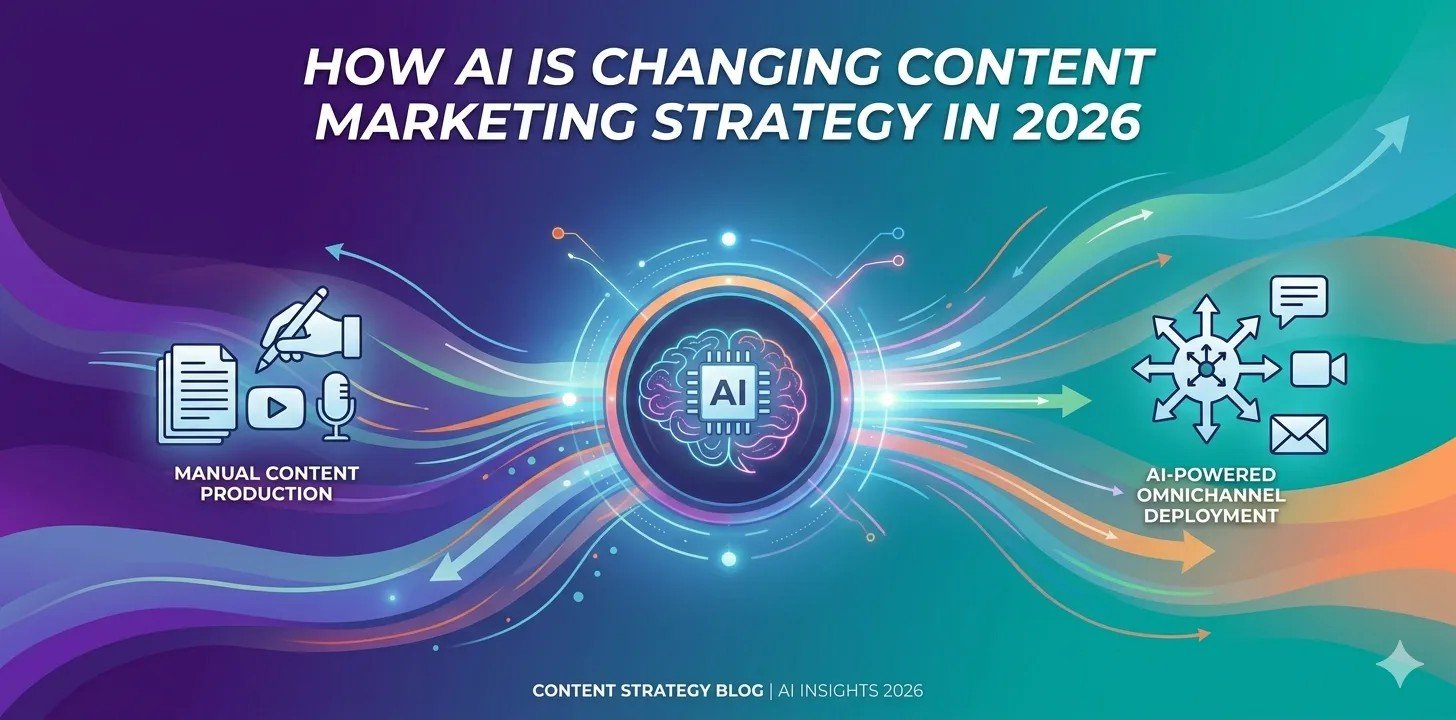
AI tools are everywhere now. Blogs can be generated in minutes, social media posts can be automated and even search engines are giving direct answers instead of just showing links.
Because of this, a common question comes up: does content marketing still matter?
The short answer is yes. But the way it works has changed.
Content is no longer about writing as much as possible or chasing keywords. It is about being useful. Businesses that understand this are still getting results, while others are seeing their traffic drop.
AI Has Increased Content, Not Quality
There is more content online today than ever before. A lot of it looks similar because it is created using the same tools and patterns.
You’ll notice this if you search for any topic. Many articles repeat the same points, just written in slightly different ways.
This is exactly why content marketing still matters.
When everything starts to look the same, users naturally pay attention to content that feels clear, direct and practical. Not longer. Not fancier. Just better.
People Still Need Clear Information Before Making Decisions
No matter how advanced AI becomes, people don’t make decisions blindly.
If someone is planning to hire a service, they still want to understand:
• What exactly is offered
• How it works
• What it will cost
• What results they can expect
AI summaries can give a quick overview, but they usually don’t go into enough detail for decision-making.
This is where your website content plays a role.
If your pages explain things clearly, you stay in consideration. If not, users move on quickly.
Search Has Changed, But Content is Still the Base
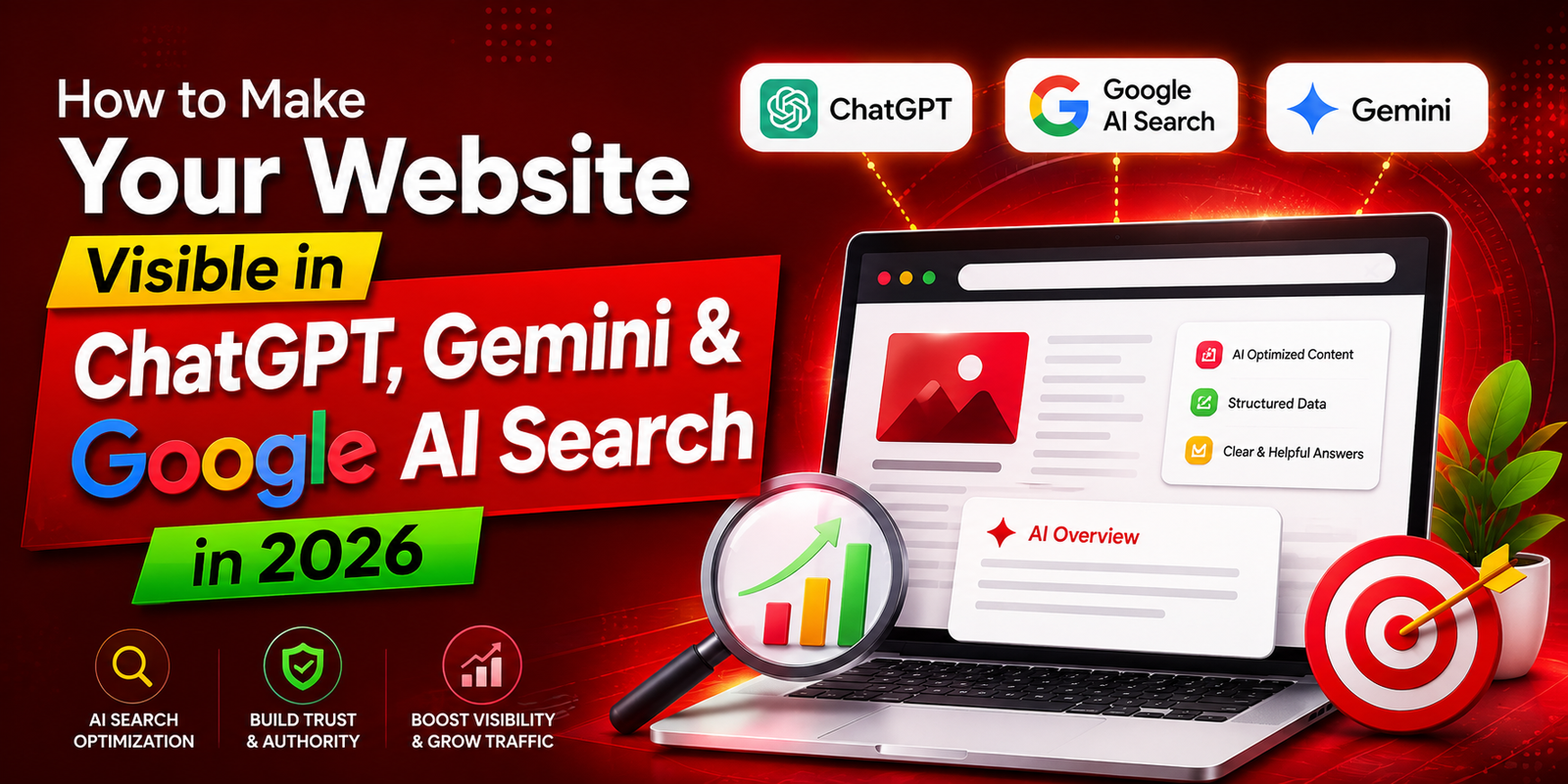
Google’s AI search (SGE) and other tools don’t create information from nothing. They pull from existing websites.
So even if users don’t click as much as before, your content is still being used behind the scenes.
That means:
• If your content is clear, it can be featured
• If it’s generic, it gets ignored
Earlier, ranking on Google was the goal. Now, being useful enough to be picked by AI systems is just as important.
Generic Content Doesn’t Work Anymore
A few years ago, it was possible to rank by writing basic content with the right keywords.
That approach is fading.
Now, content that works usually has:
• Straightforward explanations
• Real clarity on the topic
• No unnecessary length
• No keyword stuffing
And content that fails usually:
• Feels repetitive
• Avoids giving direct answers
• Tries to sound impressive instead of being clear
Users can tell the difference quickly and so can search engines.
Content Helps Build Trust, Not Just Traffic
Not every visitor will convert immediately. But most of them will read something before taking the next step.
If your content is helpful, it builds trust without you having to push anything.
For example, if someone reads a blog and understands your approach clearly, they are more likely to contact you later.
For TechnoGaze, this matters more than just traffic numbers. The goal is not just to bring visitors, but to make them understand what you actually do.
AI Can Support Content, But It Can’t Replace Thinking
AI is useful. It can speed up writing, help with structure and save time.
But on its own, it usually produces safe, average content.
It doesn’t know:
• Your actual work process
• Your client challenges
• Your local market
• Your real experience
That part still needs human input.
The best approach right now is simple: use AI for support, but don’t believe on it completely.
Content Still Brings Long-Term Value
Paid marketing works as long as you keep spending. Once you stop, the traffic stops.
Content is different.
A useful blog or page can keep bringing visitors over time. Even if traffic patterns change, good content continues to perform.
Also, users who come through content are usually more serious. They are not just browsing, they are trying to understand something.
That makes them more likely to convert.
Less Content, Better Content
One clear shift in recent years is this: publishing more content doesn’t guarantee results anymore.
In fact, too much low-quality content can hurt your website.
A better approach is:
• Focus on fewer topics
• Cover them properly
• Keep updating when needed
This saves time and improves overall quality.
Clarity is Now More Important Than Creativity
You don’t need complicated writing to make content work.
In fact, simple content performs better.
Users prefer:
• Direct answers
• Easy language
• Clear structure
They don’t want to read long introductions or vague explanations.
If your content solves their query quickly, it works.
Content Still Supports SEO and AI Search
Even with all the changes, content is still what search engines believe on.
It helps in:
• Ranking on Google
• Appearing in AI summaries
• Answering user queries
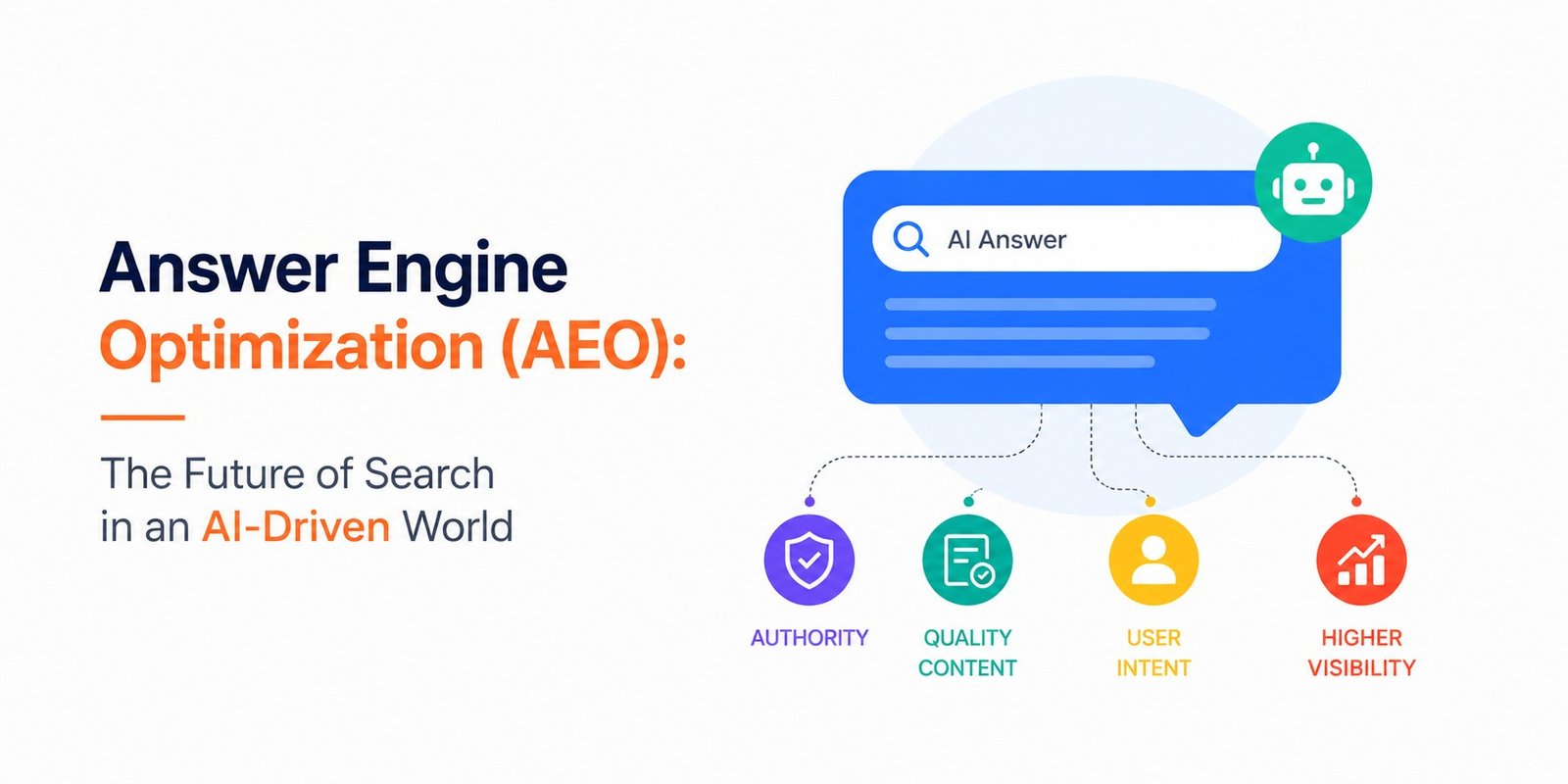
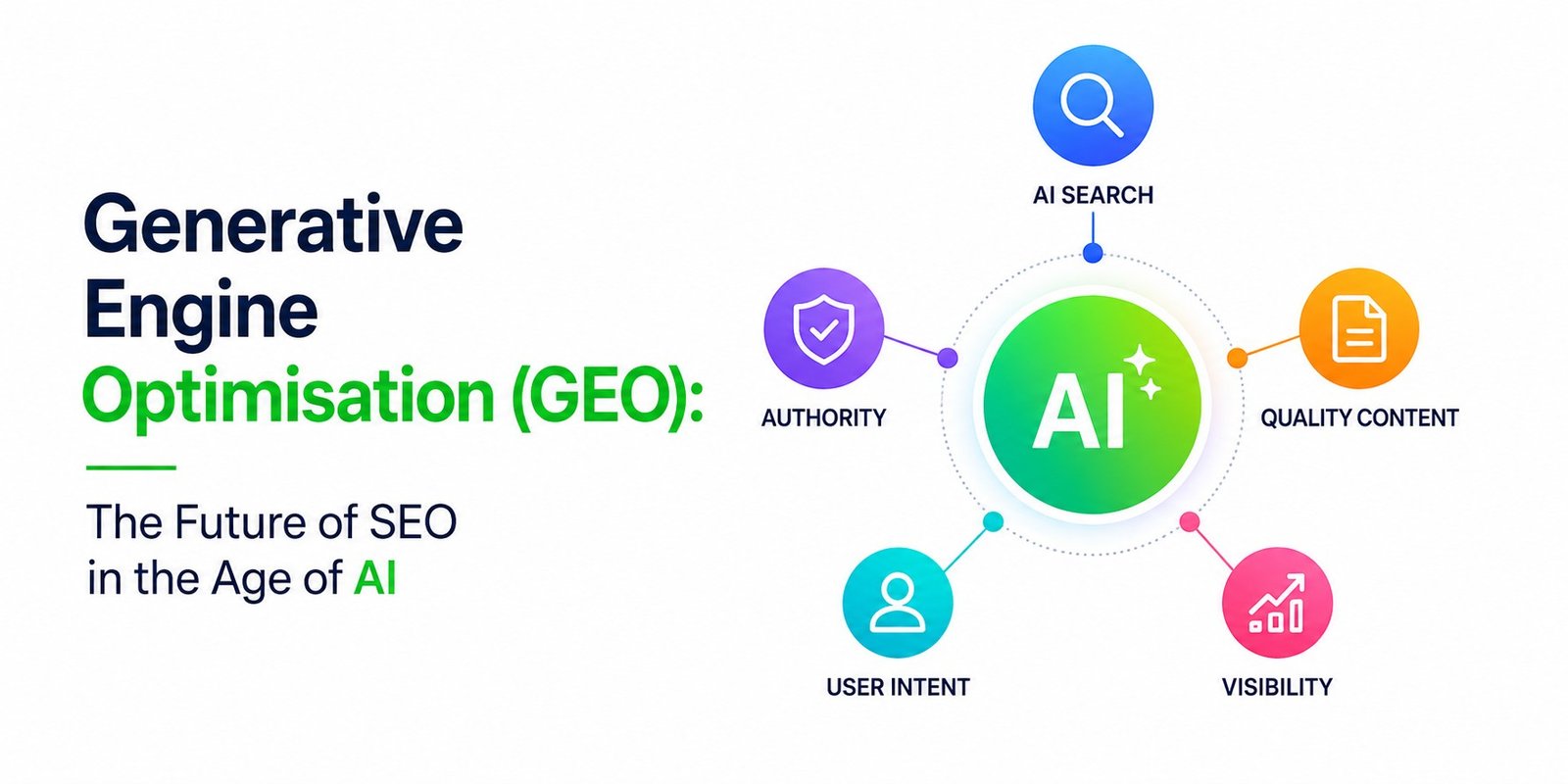
If your content is structured properly and answers real questions, it has a better chance of showing up in both traditional and AI-driven results.
What Businesses Should Focus on Now
Content marketing still works, but only if done the right way.
A practical approach is:
• Write based on real user questions
• Keep the language simple
• Avoid unnecessary length
• Focus on clarity not creativity
• Update old content instead of only adding new
Teams working on content, need to focus more on usefulness and less on volume.
Conclusion
Content marketing is not outdated. It has just become more practical.
AI has removed the advantage of producing content quickly. Now the focus is on whether your content actually helps someone.
If it does, it will still perform.
If it doesn’t, it won’t matter how much you publish.
The direction is simple: write content that answers real questions in a clear way. That is what works today and it’s likely to stay that way going forward.
Author Bio:
Sadhana Patidar is a Senior SEO Executive at Technogaze Solutions with more than five years of experience in technical, on-page, off-page, and local campaigns. She holds expertise in optimizing websites to increase visibility, correcting any technical problems, and driving organic traffic through data-informed methodologies. Sadhana is passionate about realistic SEO strategies that produce ongoing results, after combining data elements with practical tactics of optimization. Her expertise includes detailed audits, optimizing content, blog writing, and website content writing, developing link-building campaigns that boost online presence. Passionate about learning and development, Sadhana actively looks for current search engine optimization trends to ensure each engagement is reflective of the best search engine optimizations and competes well across digital platforms.